


An innovative tool …
The STEED (Synchronised Transect for Ecosystems Exploration and Description) methodology has been designed, developed and patented by Thomas Pavy in 2022 (ref: FR3137059). STEED aims to maximize any opportunities at depth and optimize data collection on overlooked mesophotic ecosystems (-60 to -150 m) using quick and standardized data collection on multiples biotic communities (fish, invertebrates, benthos and suspension feeders). Such an efficient methodology is essential for the study of deep ecosystems.
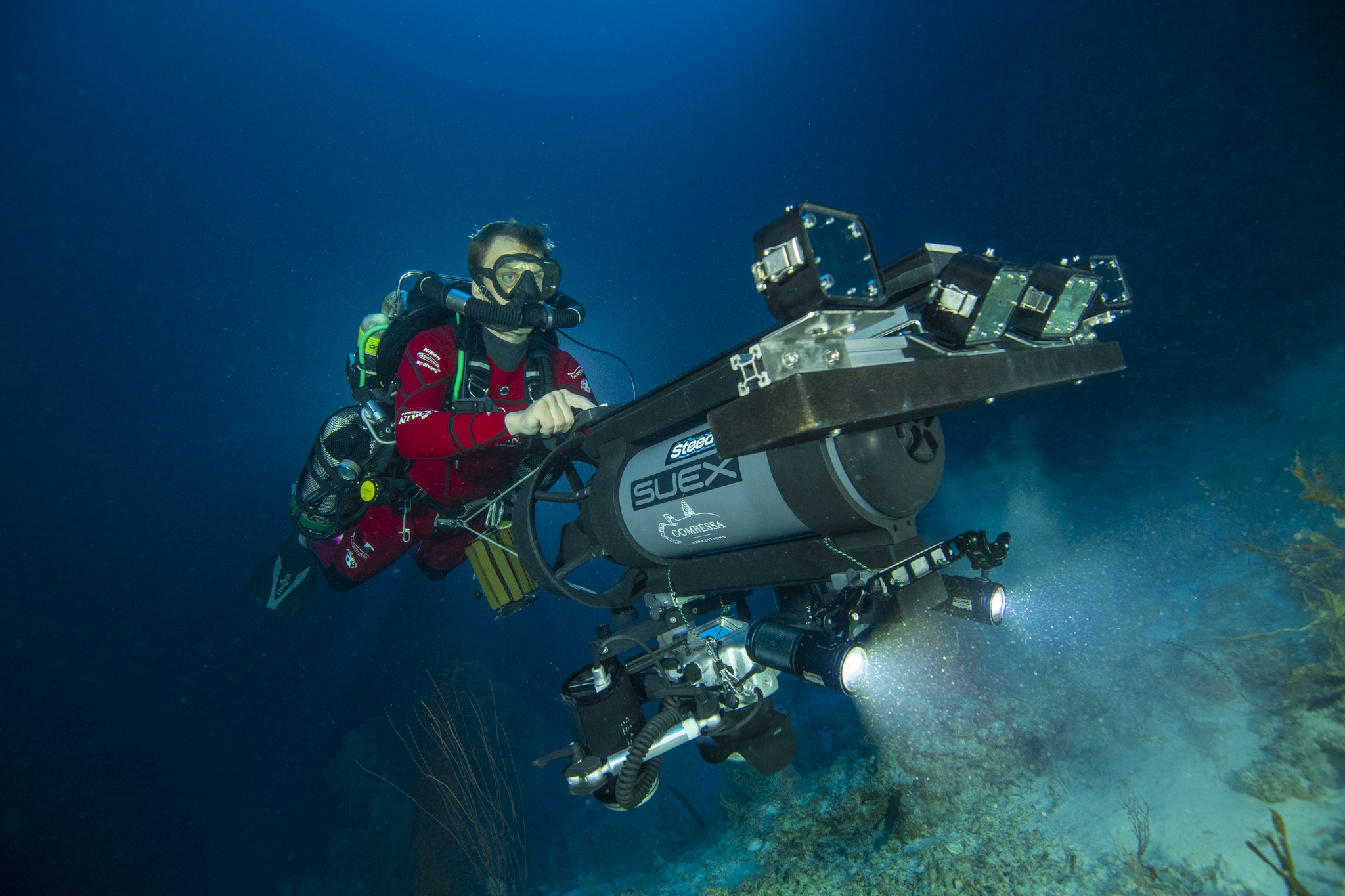
…… to survey unreachable ecosystems …
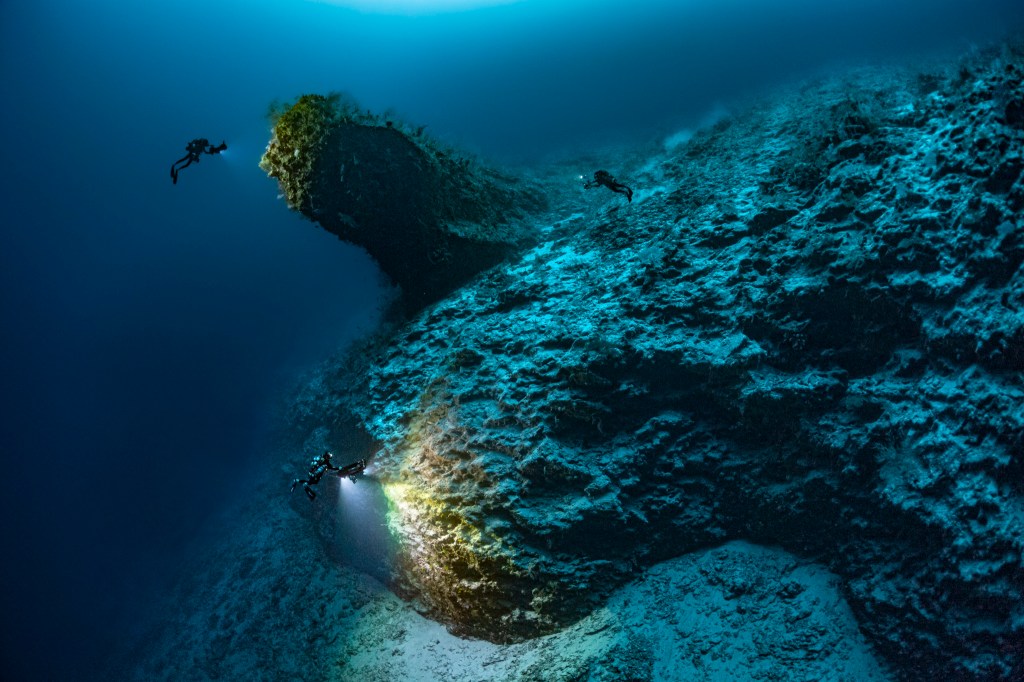
Mesophotic ecosystems (MEs) are defined as ecosystems that receive less than 1% of the sun’s rays at their upper limit, which can range from -30 to -60 m of depth depending on the environmental conditions. Their lower limit is defined by the disappearance of primary producers, typically around -150 m.
Due to environmental and physiological constraints, available time is extremely limited at such depths (-60 to -150 m). By consequences, using conventional methodology such as visual sensing appears time consuming and unrealistic as they will probably require several dives to complete the data collection for a single station. As a result, little is known about the habitat and biodiversity in the mesophotic zone. Moreover, describing mesophotic communities, is crucial to improve their understanding and set appropriate management strategies.
… using standardized and recognized data collection
Band transect has been wordily used for several decades to study biotic communities because it allows data collection from several targeted biotic communities on a common area. Based on the desired level of precision and the divers’ training level, the data collection process may appear time consuming. The system is designed to synchronically collect data on several biotic communities (Benthos, Fishes, Invertebrates and Suspension feeders). Using those standardized communities data, we can better understand and improve the management of all ecosystems encountered during our explorations.
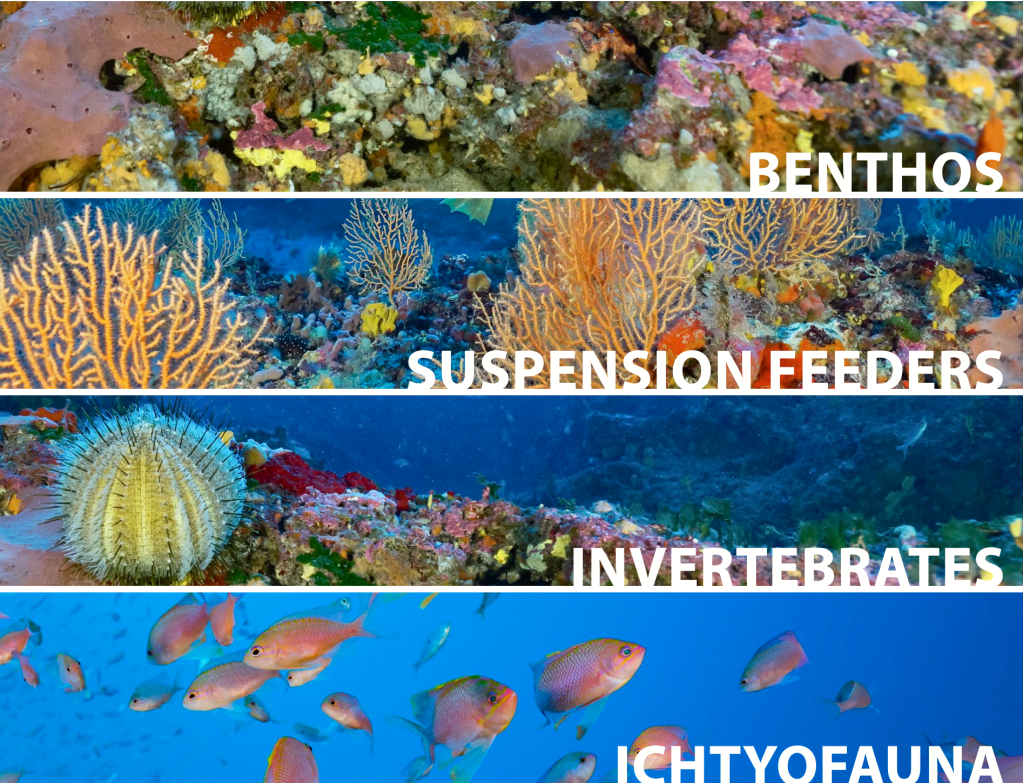
 STEED - Synchronised Transect for Ecosystems Exploration and Description